
Family history and collective memory linked to water and nature
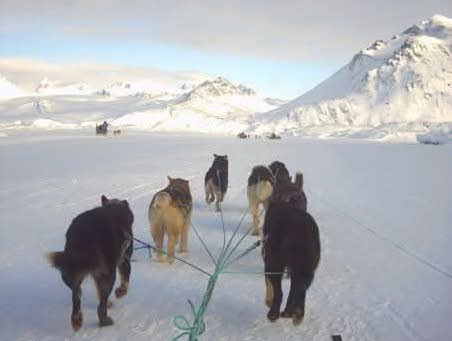
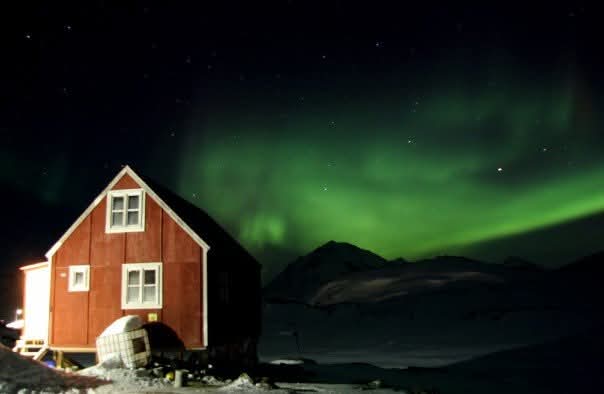
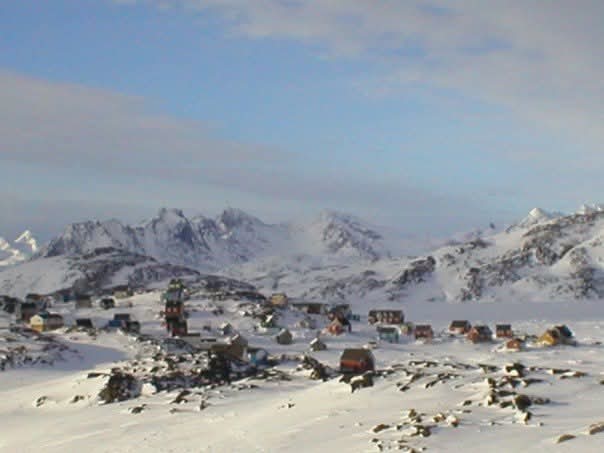
Twenty years ago, I visited Kulusuk, Greenland during wintertime. It has to be one of the wildest places I’ve ever been. One week in February with a group of exchange students from the University of Iceland—simply epic! I vividly remember standing outside in -25ºC temperatures to watch the most amazing northern lights dancing away. We spent two days inside our guesthouse due to a powerful blizzard, rode on an authentic dog sled to explore the frozen ocean and the glaciers, ate fried seal that our Inuit hosts had hunted, and learned about local arts and crafts. I bought a carving made from deer horn, a tupilaq, representing an avenging monster or evil spirit used to destroy enemies; I just learned this through Wikipedia, at the time I had no intention of harming anyone! The Greenlandic winter was a stunning and extreme adventure that I was lucky to live. Currently, thinning sea ice and calving glaciers have promoted “extinction tourism”, attracting visitors that want to see the “real” Arctic before it vanishes. Meanwhile, the population almost halved as people migrated elsewhere looking for alternatives to traditional hunting and fishing.
Two decades ago, I also traveled around Iceland during summertime. My mother came for my graduation and spent a couple of weeks exploring the island. The famous midnight sun was harder to get used to than the short winter days. People work at unconventional hours—we passed by a farm at 1 AM and people were busy in the field. Although sunny, it was still cold, and the wind was unbelievably strong. My mom’s jacket got ripped! Summer used to be the tourist season, when you could travel, because the roads were open and the hotels were operational. Winter tourism was rare, the northern lights were not a thing yet. I’m grateful I experienced Iceland before the current two million tourists per year, and when summer temperatures were mild, as you would expect at 66ºNorth.
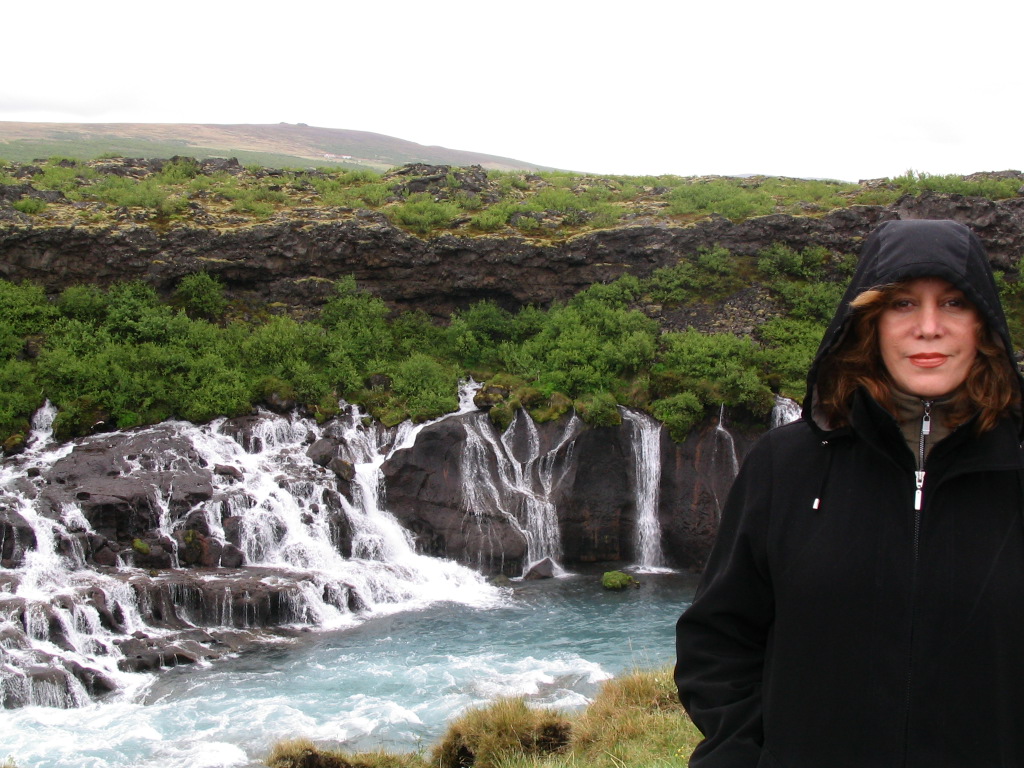
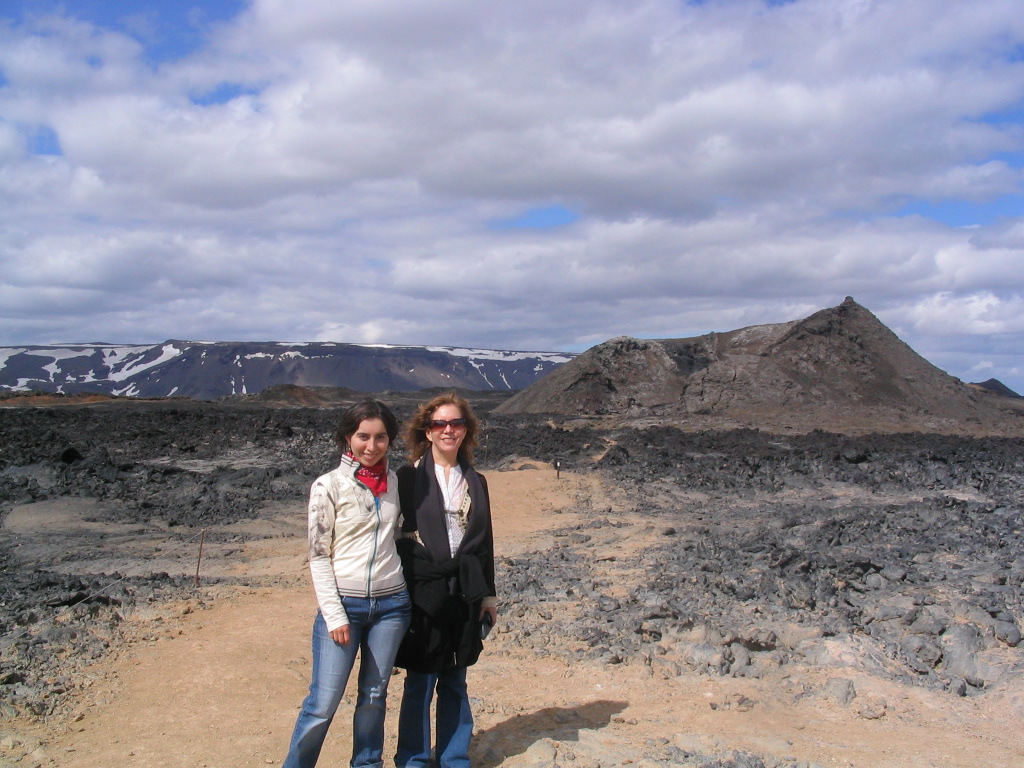
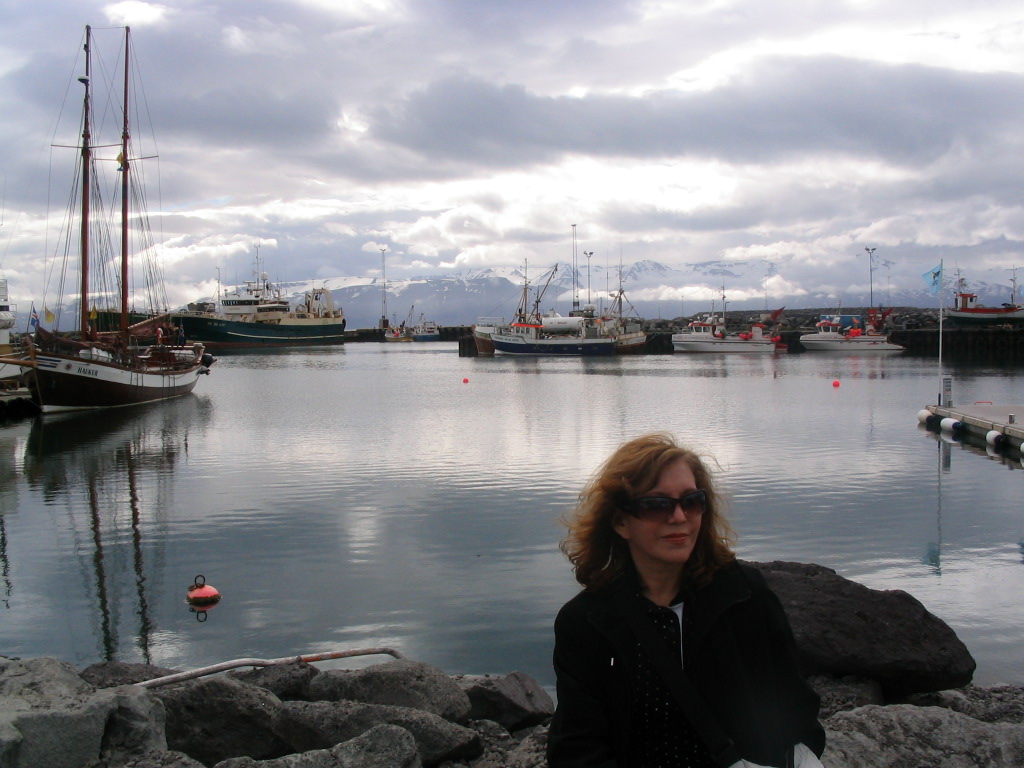
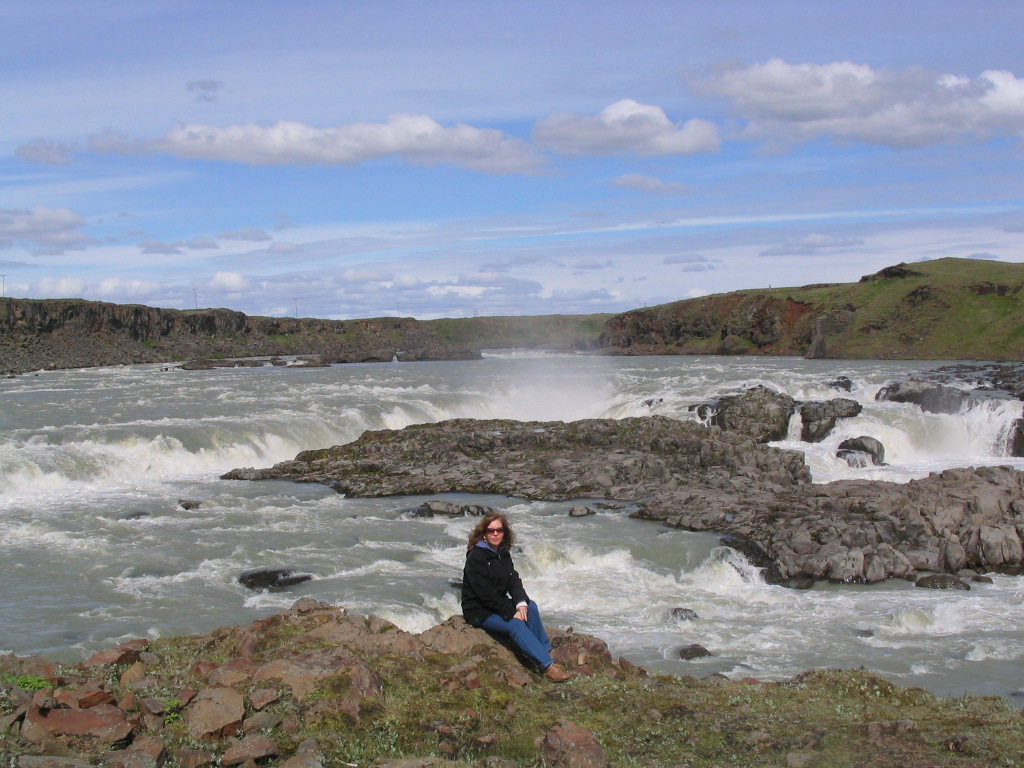
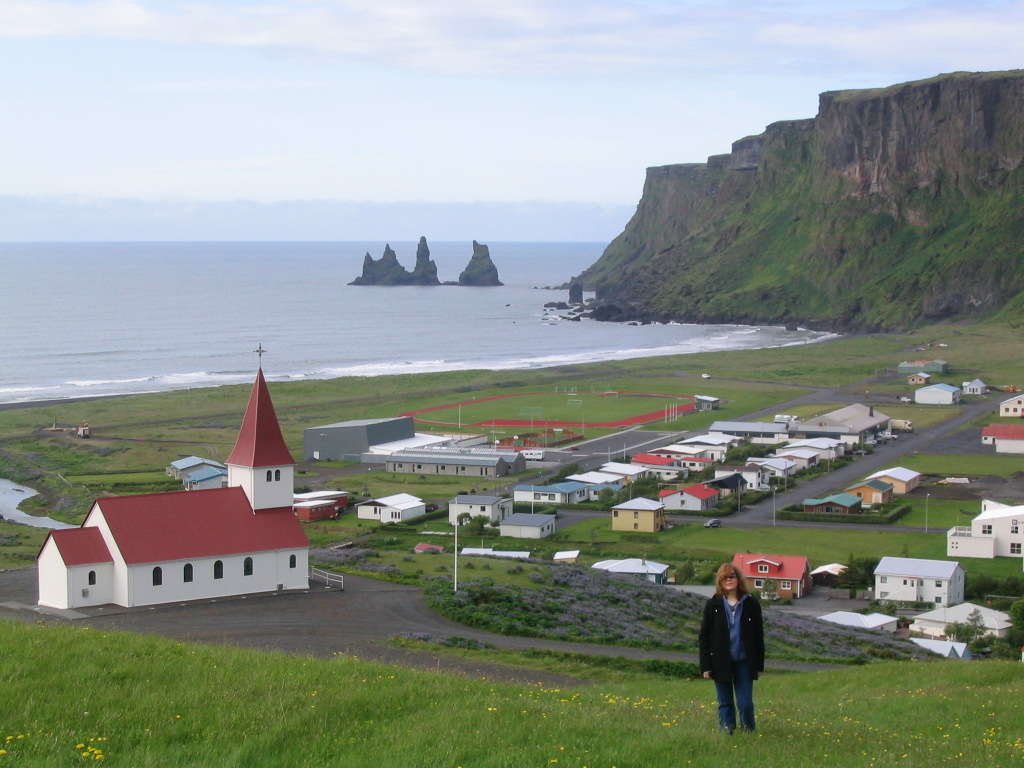
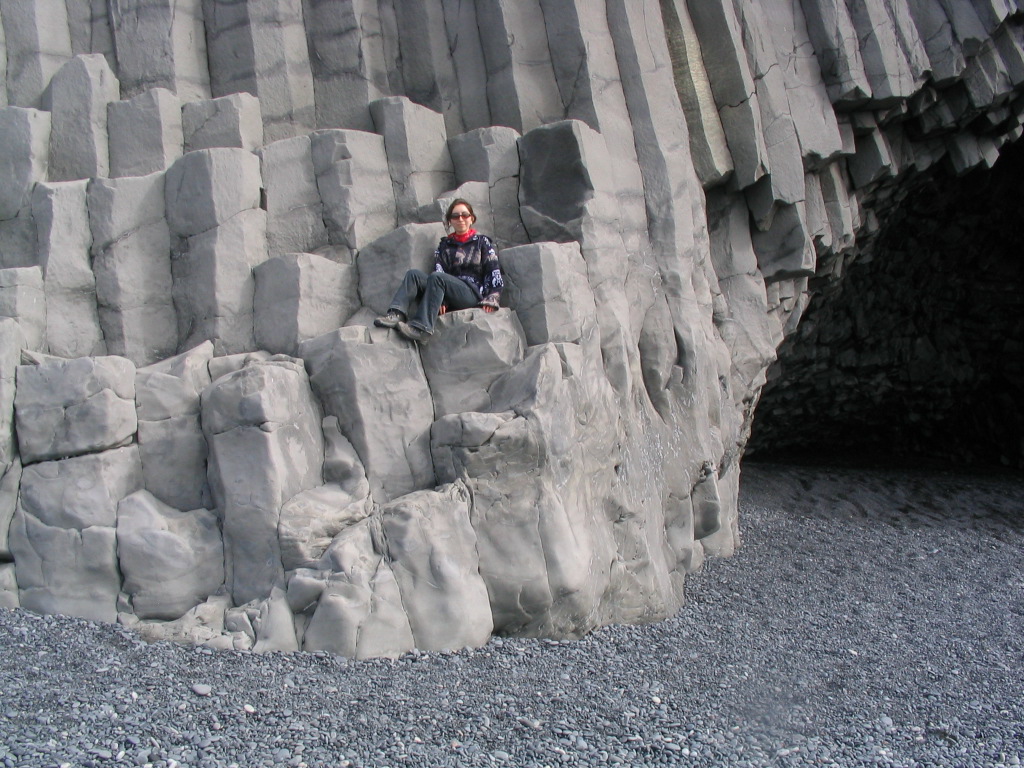
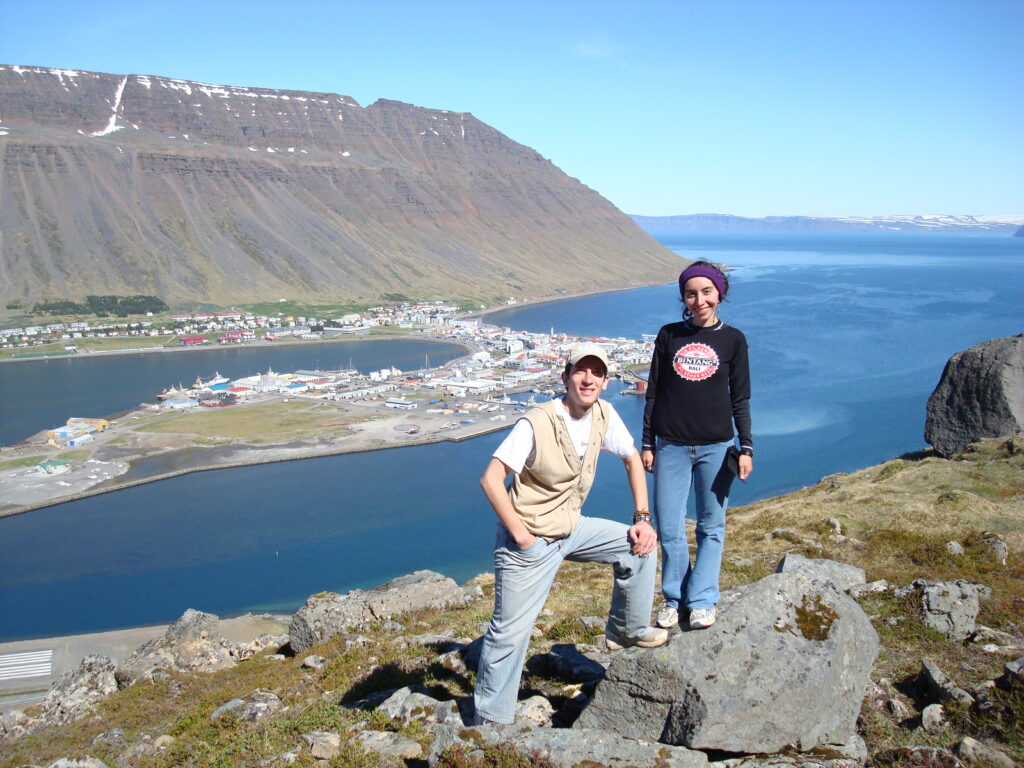
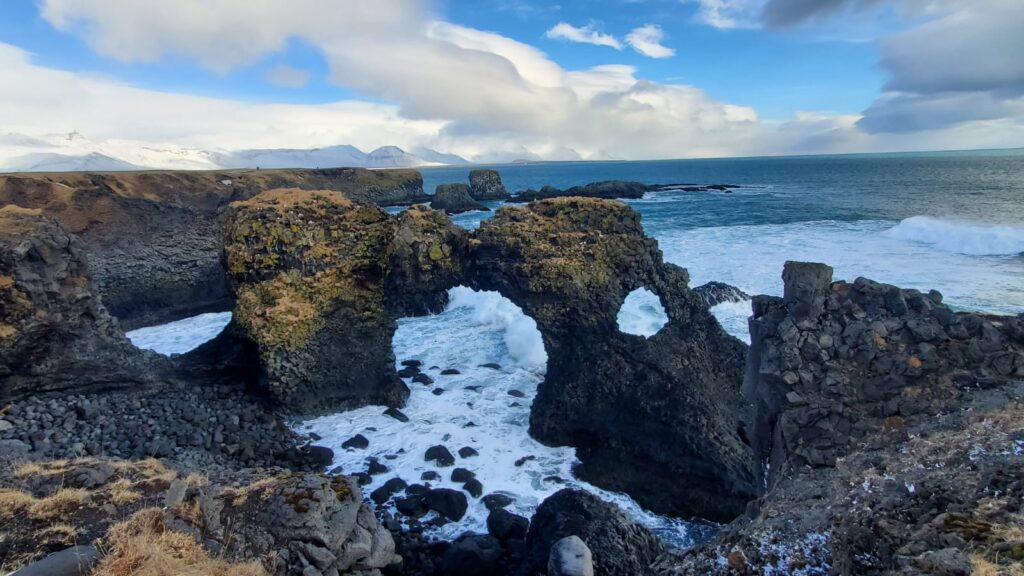
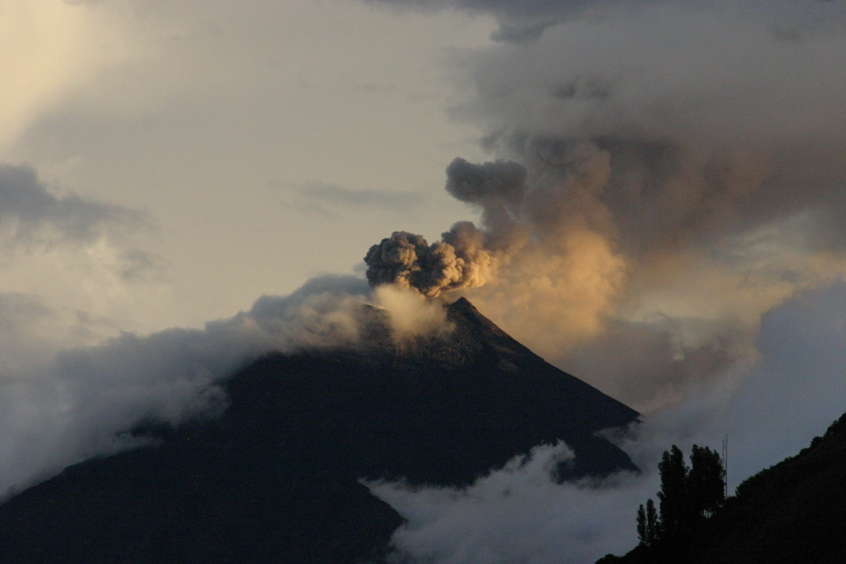
In 2010, Eyjafjallajökull erupted, collapsing air traffic across Europe for a week due to the ash. Infrastructure in Iceland was affected by floods or melting glacial ice (jökulhlaup), without human casualties. Meanwhile, Tungurahua volcano in central Ecuador also erupted, almost trapping me in Baños town with my tour group. I was scheduled to fly to Iceland a few days later to start a road trip with my cousin; thankfully, I made it. I witnessed the power of nature in both countries simultaneously. Our Iceland expedition was superb, driving along the ring road, the west fjords, and Vestmannaeyjar (Westman Islands) for three weeks. I had gotten my driving license just a month or so before the trip, so I was very excited and nervous. We enjoyed the magnificent landscapes, especially the volcanoes and glaciers that cover Iceland, including the recent ash fall. Black beaches, spongy moss, and lava fields extend next to ice sheets, rugged cliffs, and green grasslands. Waterfalls and hot springs abound everywhere you go, showcasing water as a key element in Icelandic nature.
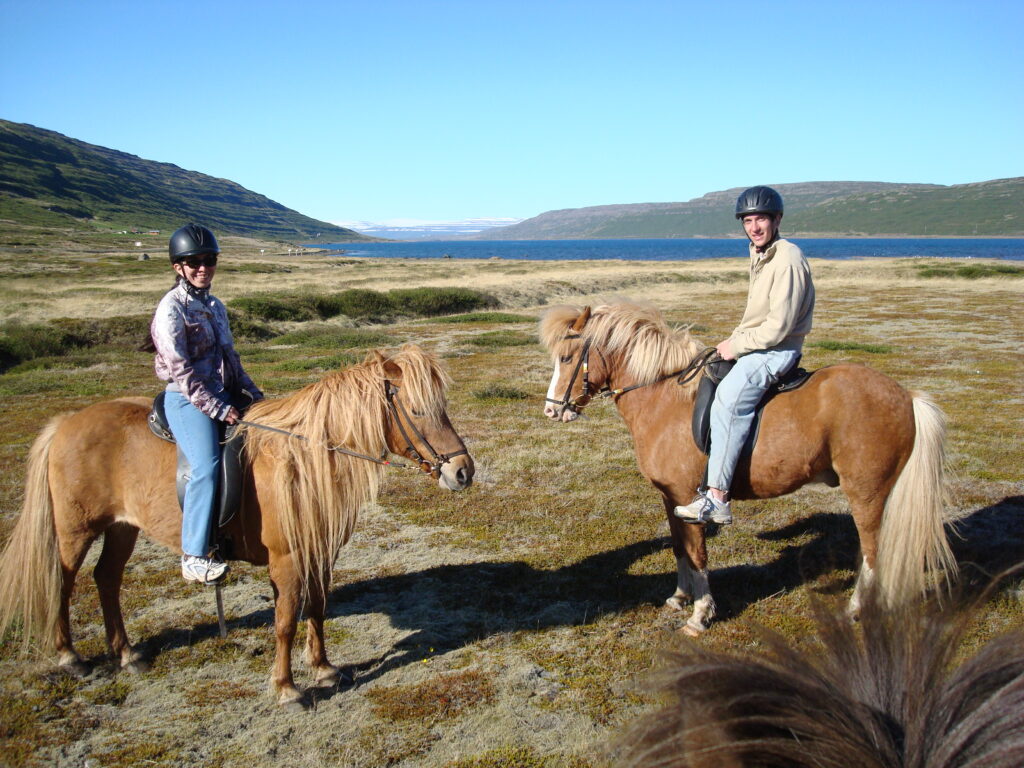
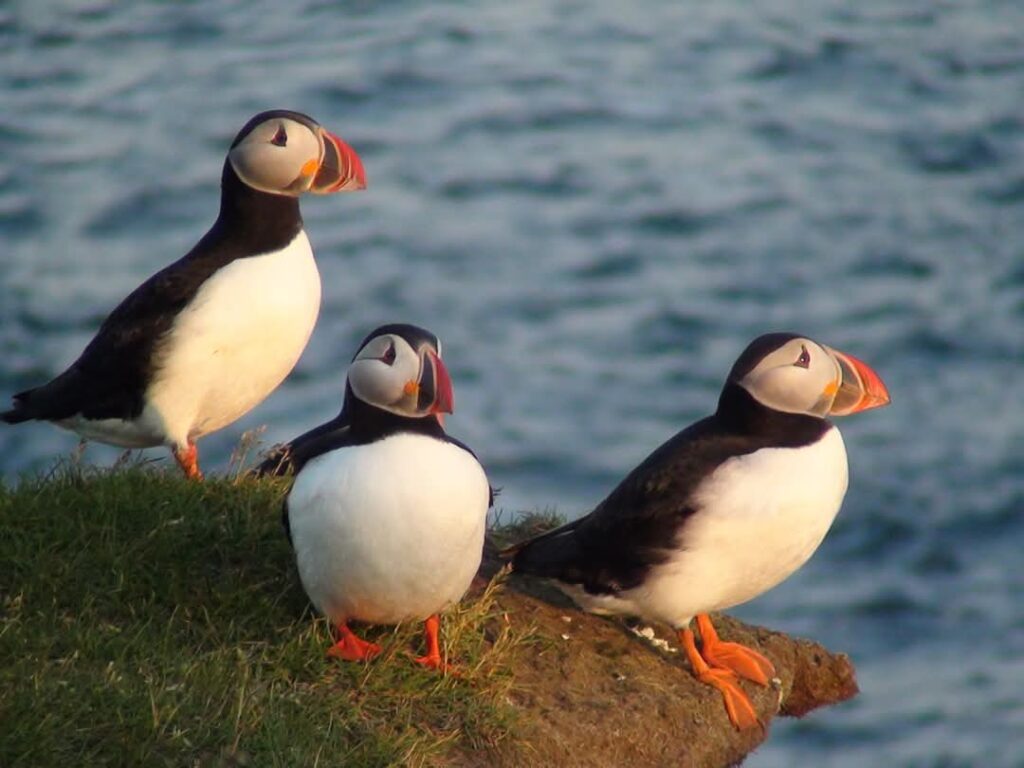
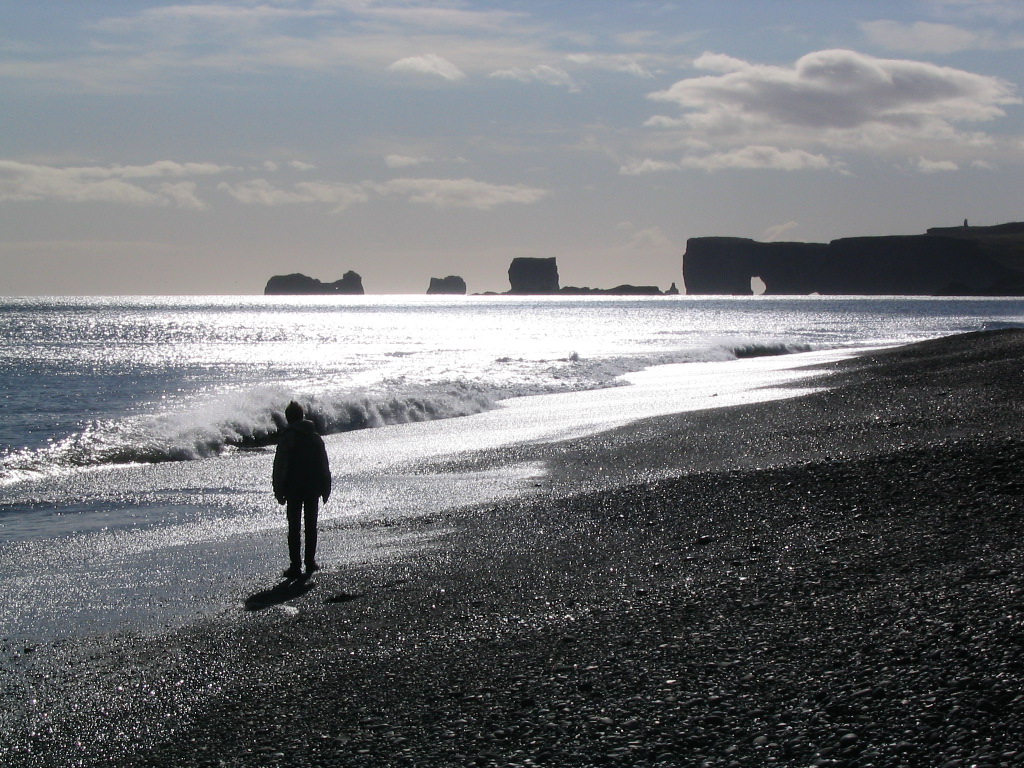
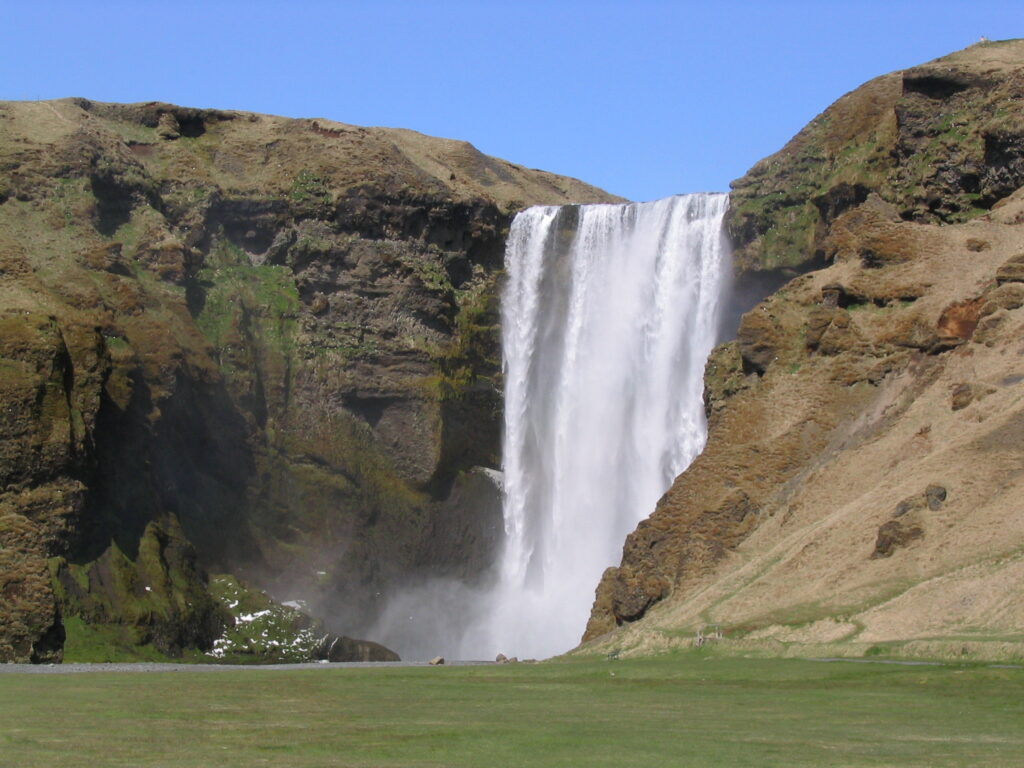
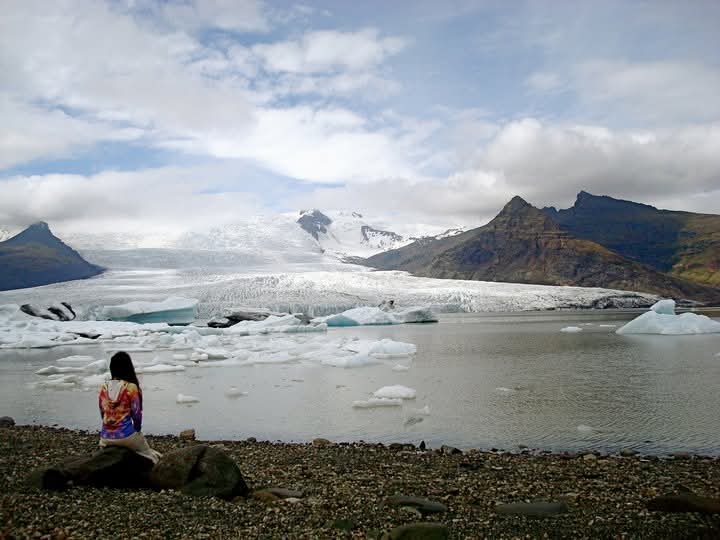
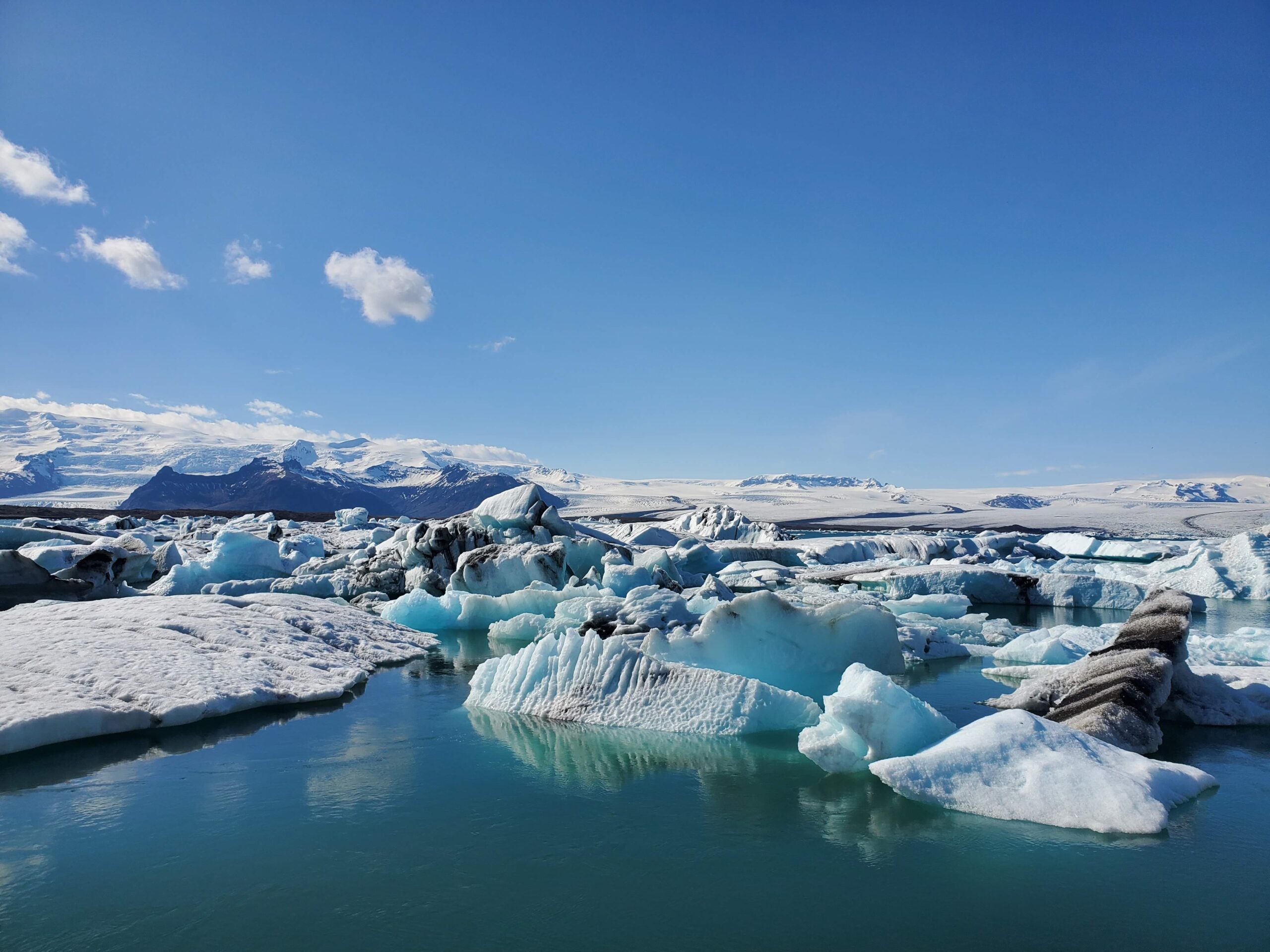
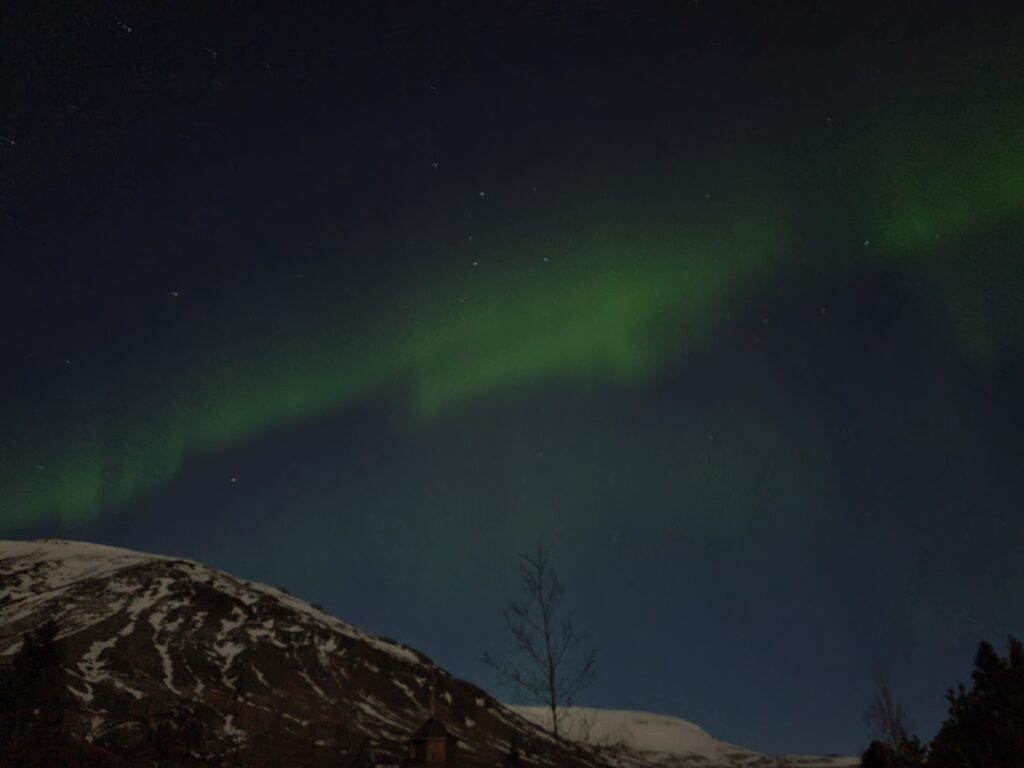
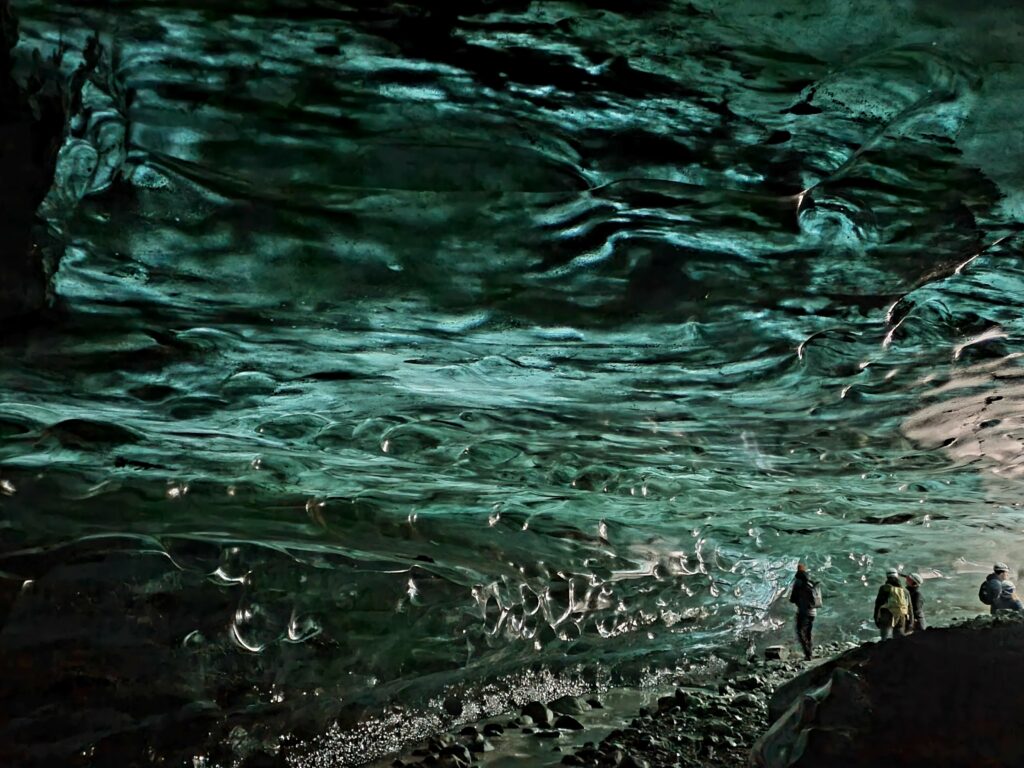
Yet again, another of my Iceland trips involved a volcanic eruption, when Sundhnúksgígar crater chain in Reykjanes became very active in 2024. My putative parents and I took a 2-week trip to see the northern lights and the eruption. We were fortunate to see both at the same time, on the last day of our journey. Going back to the same places I had explored 15-20 years ago was shocking due to the crowds. However, I got to see new sites, like Sólheimajökull, and an ice cave in Vatnajökull, Europe’s largest glacier. I was particularly amazed by the ice’s shapes and colors, but saddened to learn that the glacier is retreating rapidly. We hear resembling stories of the Andean glaciers, which are disappearing at an unprecedented rate. Glaciers are moving rivers of ice that expand and contract, formed by snow compacted over long periods of time, and which hold most of the world’s freshwater.
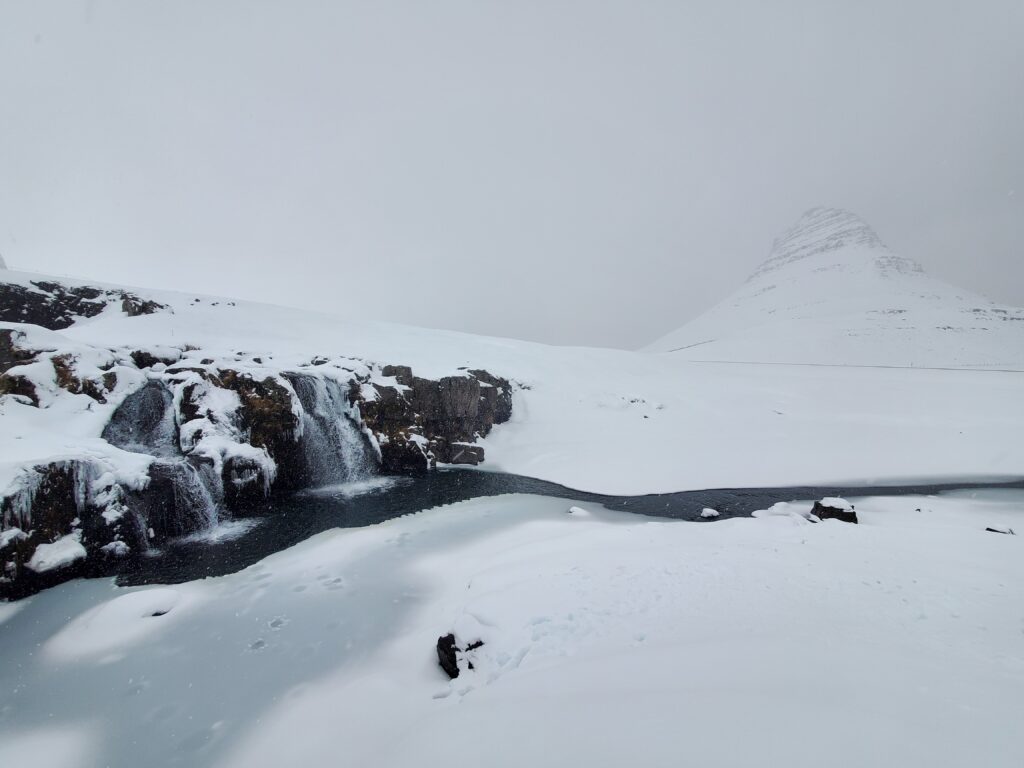
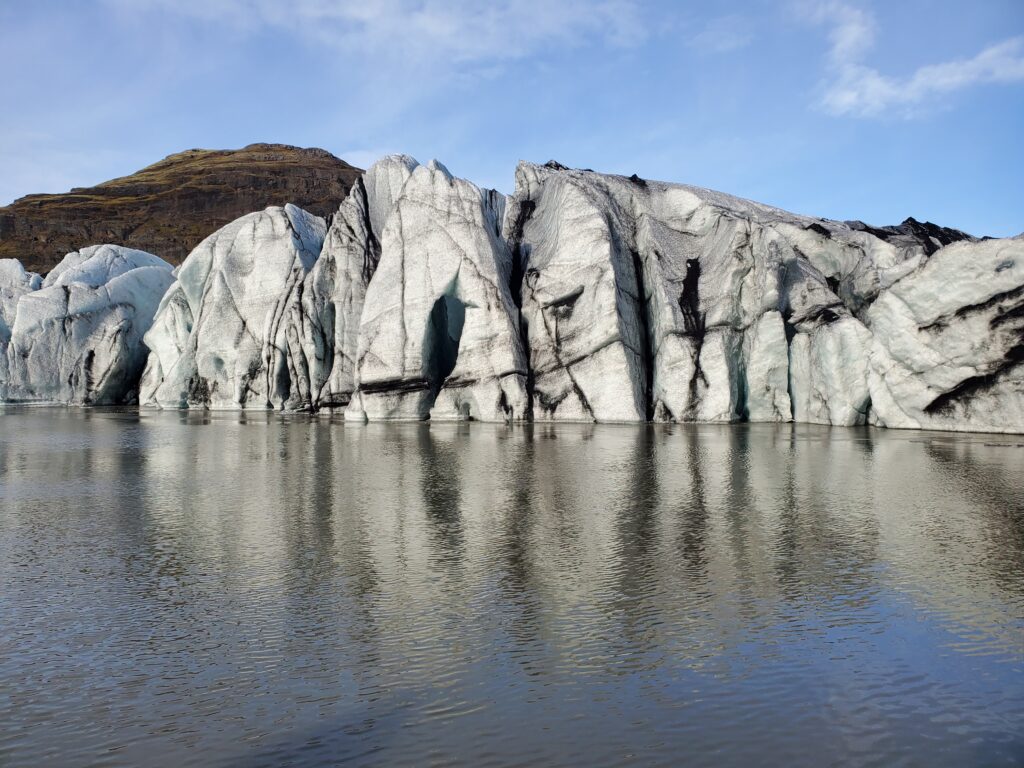
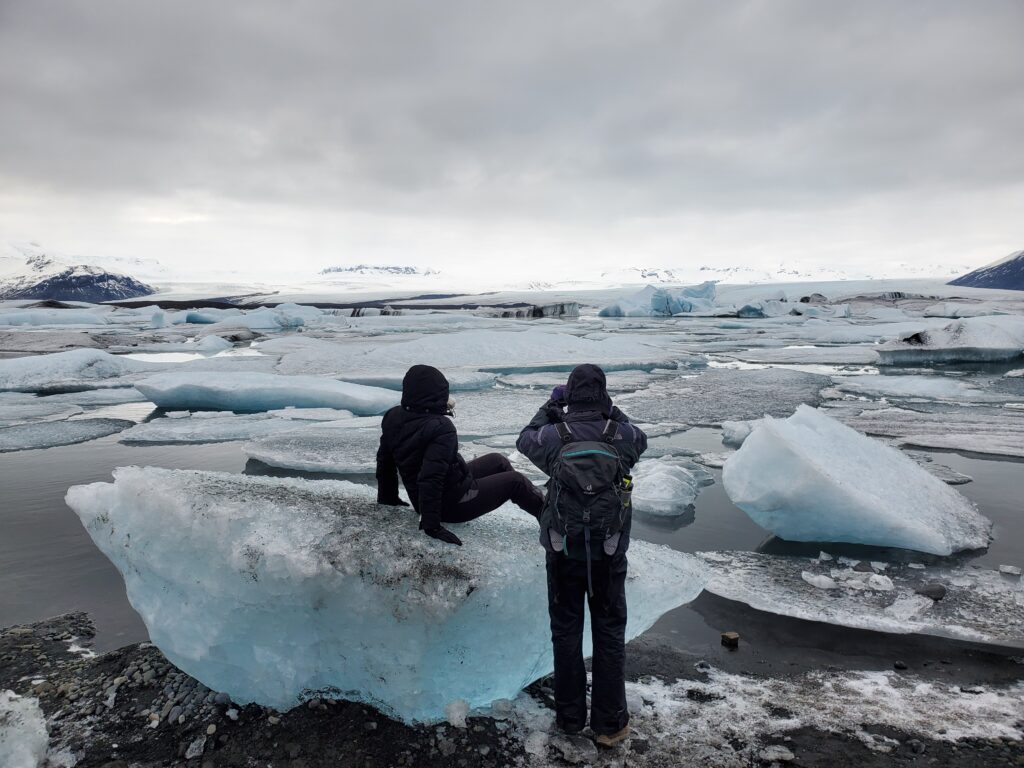
Just recently, I started thinking about these life experiences that link nature, family and time. I realized I have very few photos of my trips during my university years. I also noticed that my most meaningful memories involve nature and family, like my travels in Iceland with different relatives. This inner reflection is no coincidence. Last weekend, I finished reading the book “On Time and Water” (Um tímann og vatnið) by Icelandic writer Andri Snær Magnason, which also became an acclaimed National Geographic documentary “Time and Water“, produced by award-winning director Sara Dosa. The book contains vast information on climate change science, featuring the author’s family history related to glaciers and nature. For example, he tells how his grandparents were some of the first to explore Icelandic glaciers in the 1950s, while he wrote the obituary for Okjökull, the first Icelandic glacier to be declared dead in 2014. Andri had written about environmental issues before in his book “Dreamland” (Draumalandið), published in 2006 and made into a film in 2009. There, he questions the benefit of exploiting nature to produce cheap energy for industries.
During my master’s degree on environmental science, we visited the Kárahnjúkar power plant in eastern Iceland, the largest hydroelectric complex in the country, which diverts glacial rivers to supply energy to the Alcoa aluminum smelter. Back then, the project was unpopular among ecologists and environmentalists, as it flooded pristine wilderness to create the reservoir. In January 2006, I attended the “Stop the Dams” concert in Reykjavík with my brother, who was visiting for the holidays. Some of my favorite musicians, including Björk, Sigur Rós and Múm, played alongside other artists, supporting the “Saving Iceland” campaign. However, in September of that year, the flooding began, with reporter and activist Ómar Ragnarsson boarding a small boat onto the rising reservoir as the highlands drowned, protesting until the end. I recall watching this moment on TV, wondering if harnessing nature brings progress. Like Andri, I pondered about balancing development with conservation. Today, Iceland produces 100% renewable energy from hydro and geothermal power, and is regarded as one of the most sustainable countries in the world. Iceland wants to be carbon neutral by 2040.
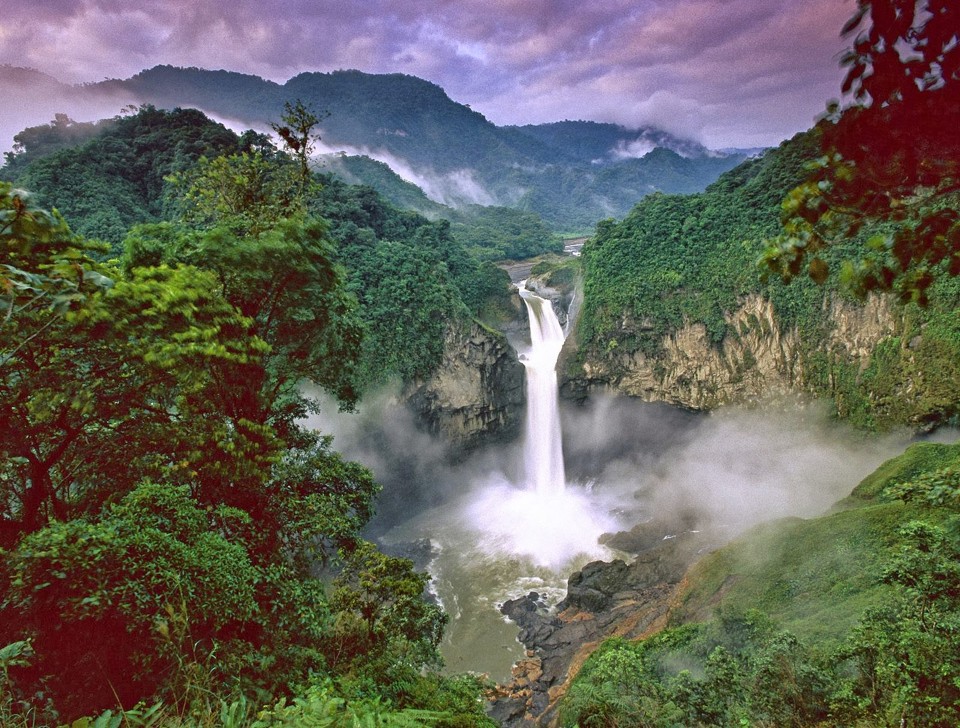
In Ecuador, the Coca Codo Sinclair hydropower plant raised serious environmental concerns, especially after the emblematic San Rafael Waterfall suddenly disappeared in 2020 and severe erosion of the Coca River ensued. Relying on water as the main energy source is a risky bet when glaciers shrink quickly. If I compare my photos of our iconic snowcap mountains with those of my father, the difference is striking. My dad loved nature and he instilled that love and respect since I was a child. He was an avid photographer and gave lectures to his tour groups about the uniqueness of Ecuador, highlighting its permanent glaciers, varied ecosystems, and high biodiversity. The San Rafael Waterfall was a mandatory stop on our way to the Cuyabeno Wildlife Reserve, its splash going up several meters, making it mystical. My most cherished childhood memories involve the Amazon rainforest and the Andean mountains, which have changed significantly during my (short) lifetime.
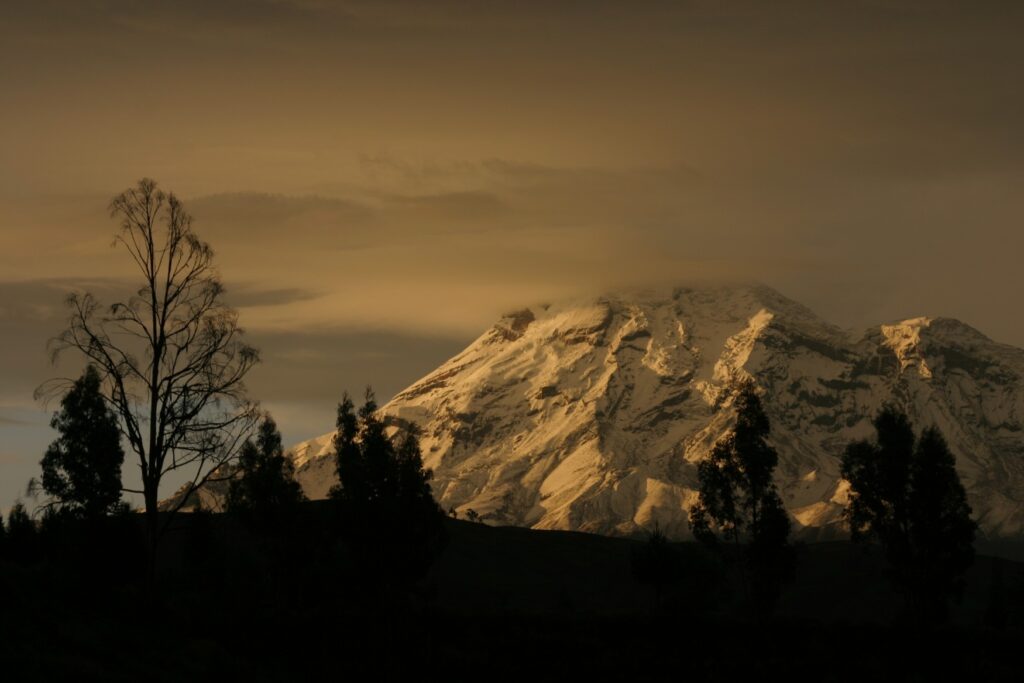
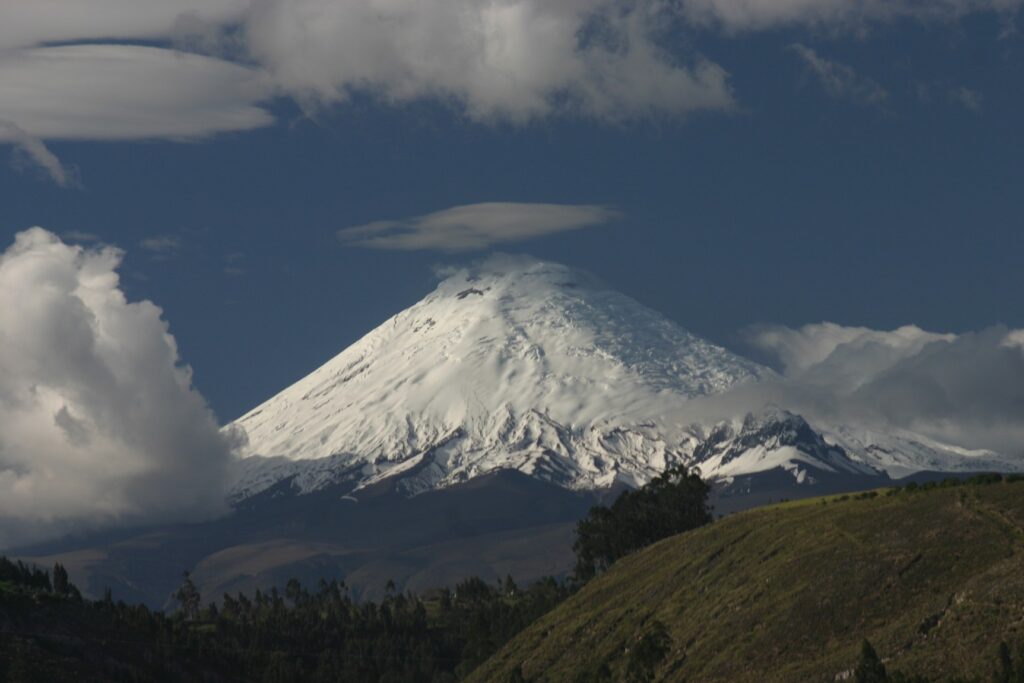
Ecuadorian glaciers are also receding, with an estimated 50% loss in the last century. Cotacachi lost its glacier in the early 2000s, while Carihuairazo‘s glacier was officially declared extinct in 2025. Similar to Okjökull in Iceland, a commemorative plaque was installed in 2022, reminding us that global warming is reducing our water supply. I’ve never climbed Carihuairazo, and unfortunately its summit will be just rock when I finally get there. Illiniza Sur is the next in line to die out. Mountain guides are improving their rock climbing skills as the ice decreases. Ecuadorian photographer Jorge Anhalzer‘s documentaries on water (La vida de un río) and glaciers (Se nos hacen agua los helados) are beautifully produced, and despite not having the same media exposure as Andri’s work, the message is just as important: water is life. Furthermore, nature is intertwined with our culture and identity, molding our beliefs and lifestyle. Jorge and Andri have documented glaciers and nature through film, photography and personal experience, becoming storytellers with their own distinct voice.
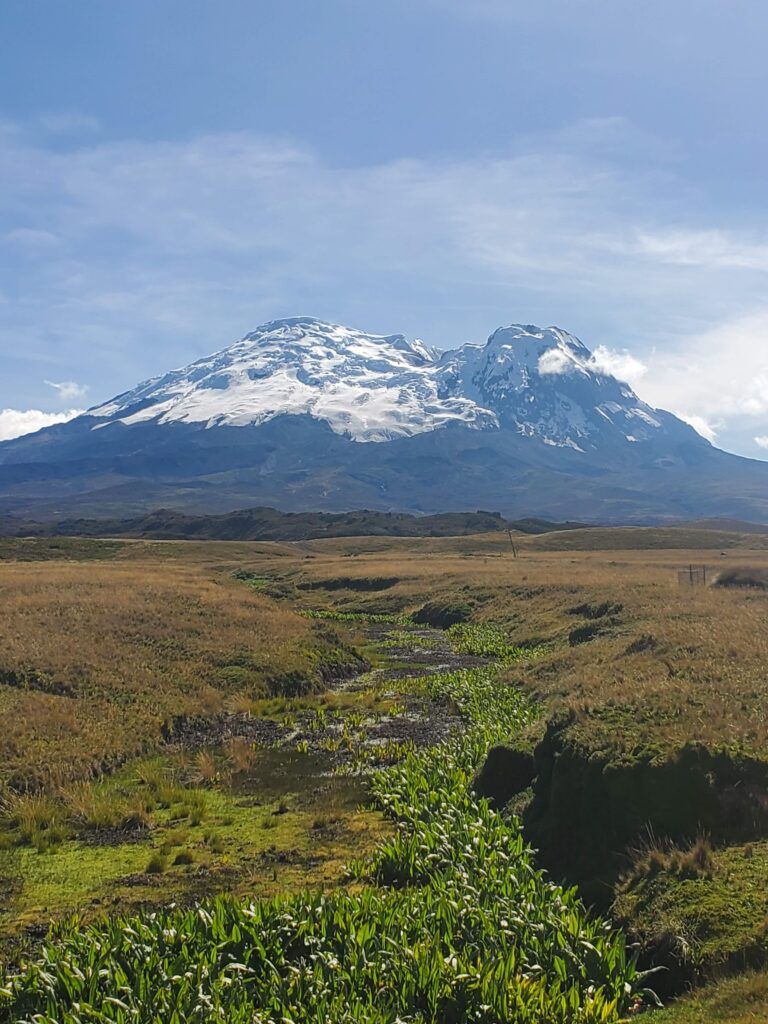
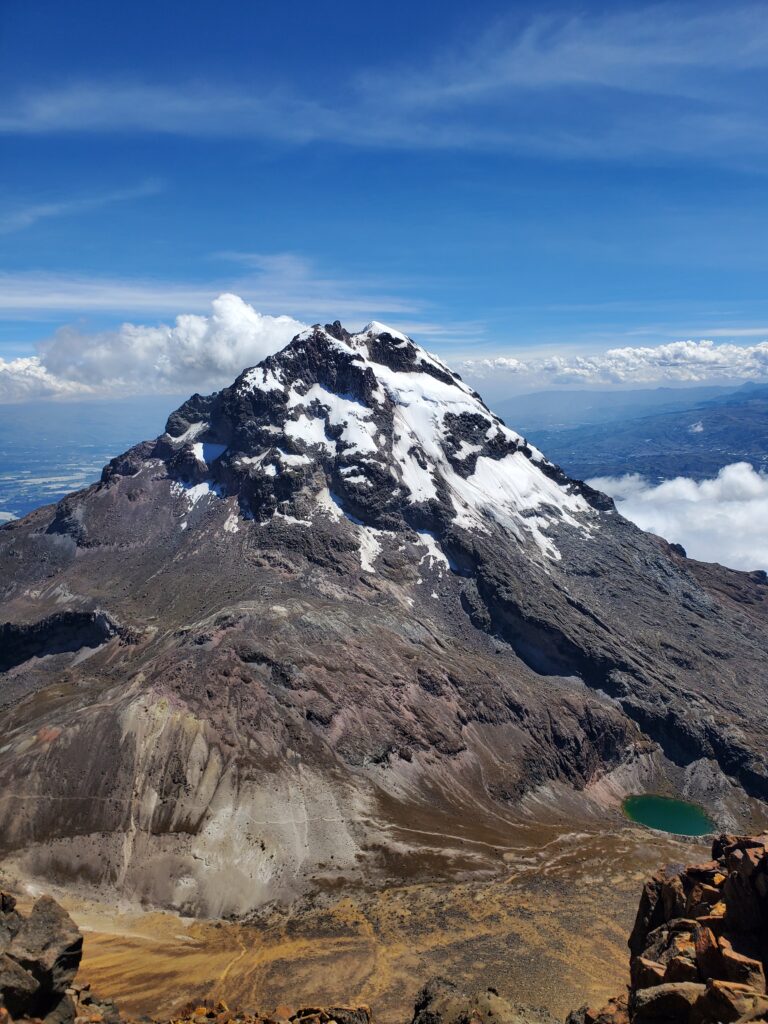
Climate change is a natural phenomenon, though studies show that human activities have altered geological time, causing the Earth to warm incredibly fast. Water scarcity will likely be one of the top global environmental issues in the coming years. Even if some people aren’t convinced that humans provoked global warming and its associated problems, mitigating their negative impacts is crucial for everyone’s survival. The next decades require collaborative action to restore nature and spread hope for a promising future. Will we succeed?
Water fills the creeks and cracks of our memory across generations,
Water feeds our collective memory through space and time,
Water shifts from ice to river to rain, cycling back steadily,
May (glacial) water hold us together through the darkness.